9 Womb Herbs for Tea, Yoni Steaming & Ritual: A Gentle Guide
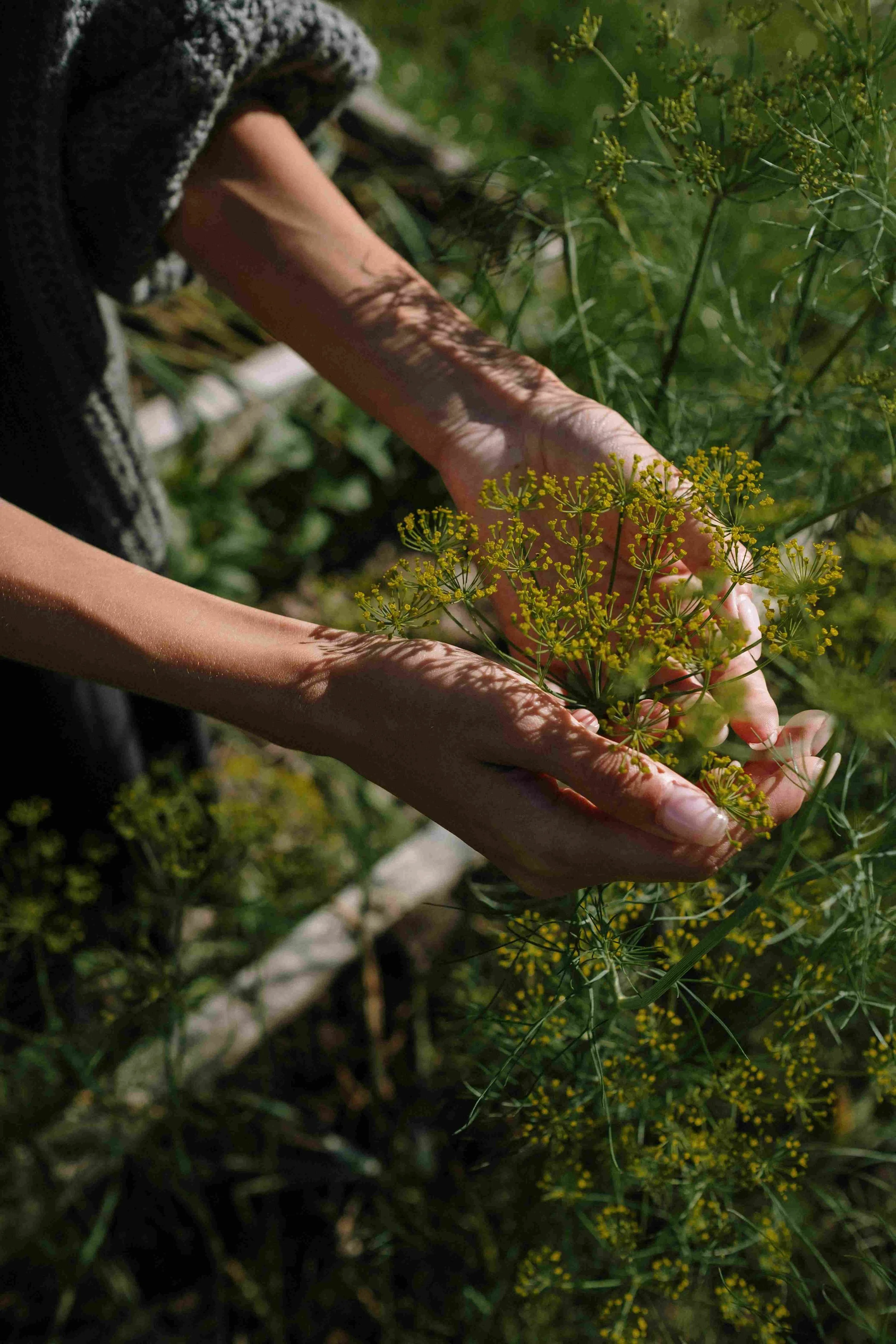
Long before pharmacies, women gathered plants: for tea, for the bath, for the quiet rituals of the moon and the womb. Each herb carries its own story, and each was once someone's grandmother's secret.
As a child, I watched my mother dry herbs, and my grandmother reach for certain plants for certain ailments. I didn't know it then, but that was my first lesson in plants.
That connection has followed me ever since: in the teas I drink, and in the steams I prepare. When I steam, warmth spreads through my pelvis and I sink into a deep relaxation. It feels deeply nourishing.
This is a gentle guide to nine herbs with a long place in women's traditions: what they're known for, what they mean in ritual, and how to work with them with care. Take what calls to you.
Nine herbs, gently
Below are nine herbs women have turned to for centuries, for steams, for teas and for baths. Each is traditionally associated with ease, nourishment and the rhythms of the womb. Some are gentle companions for daily tea, while others are herbs of ritual, best used sparingly. Work with what calls to you, choose organic herbs, and let your body tell you what suits it :)
If you're working with herbs as part of a deeper release practice, my Womb Cleansing Ritual walks through a full ceremony using a black obsidian yoni egg.
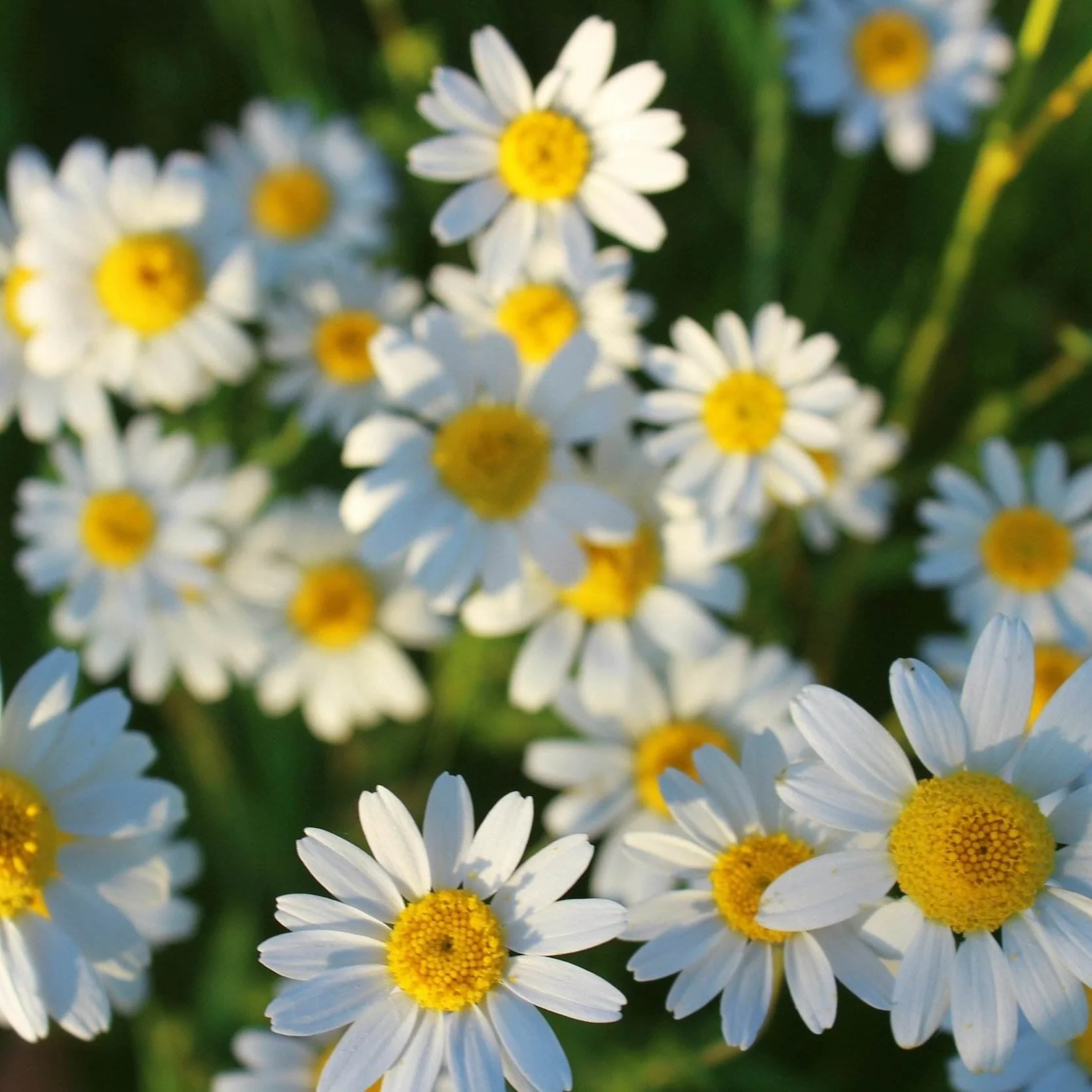
Chamomile: the gentle ally
One of the most loved herbs for a tender time. Traditionally taken as a tea to ease cramps and tension, and added to baths and steams for its calming, soothing nature.
In ritual, chamomile is a herb of softness and surrender, for the days you want to be gentle with yourself.
Traditionally: tea, steam, bath.
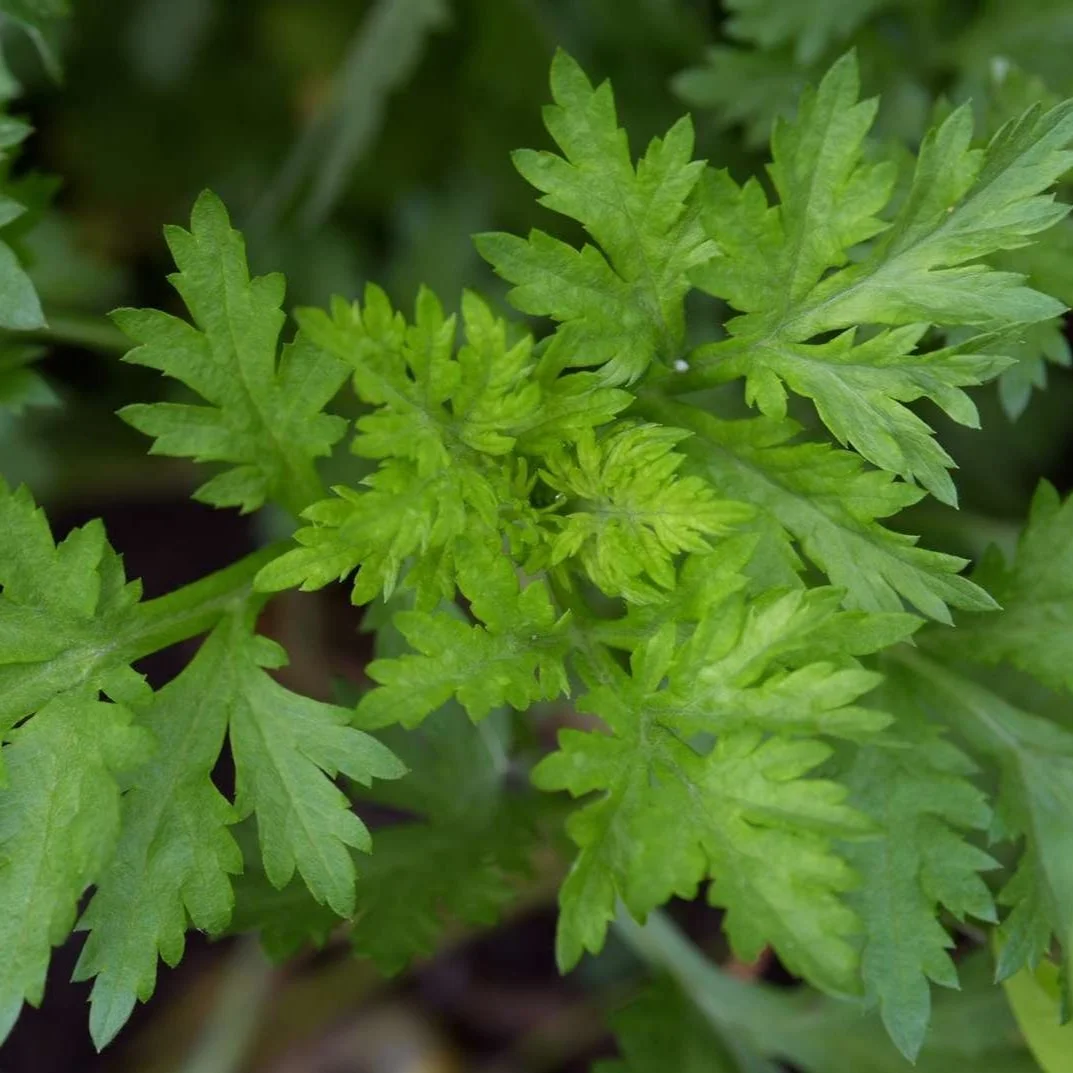
Mugwort: the dreamer's herb
Long linked to intuition, dreams and the moon. Its botanical name, Artemisia, is often traced to Artemis, goddess of the moon. Traditionally, it's steamed or infused before dreamwork and quiet moon rituals, and in some traditions burned as a smoke to clear a space.
In ritual, it's a herb for going inward: listening, remembering, seeing beneath the surface. A little goes a long way, so start small.
Avoid in pregnancy and breastfeeding, and if you're allergic to ragweed.
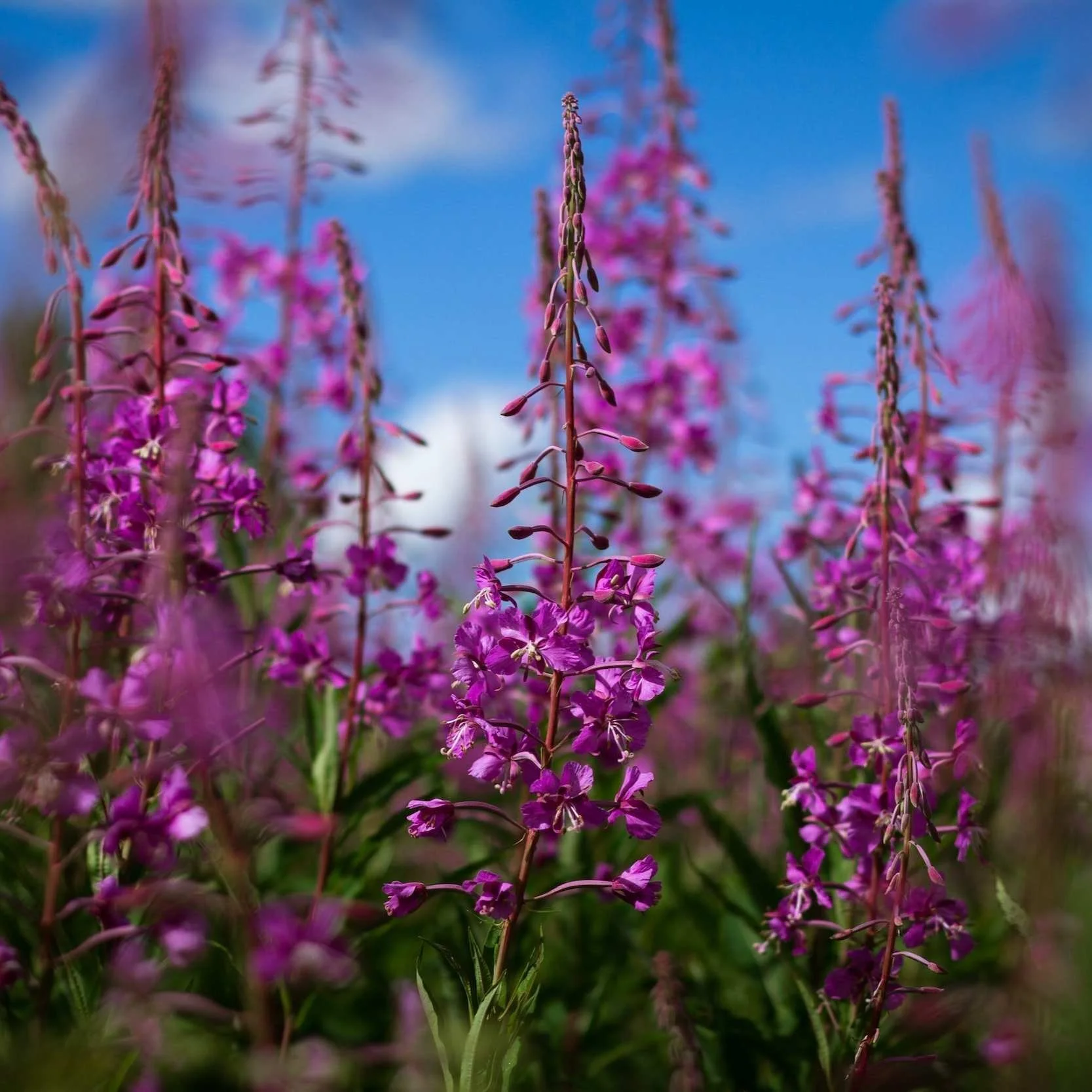
Fireweed: the flame of renewal
The first plant to return after a fire, covering scorched ground in pink. In Slavic tradition its leaves are brewed as Ivan-chai.
In ritual, fireweed is a companion for endings and fresh starts, for when you're ready to rise from the ashes of the past.
Traditionally: tea. Also used in modern steam blends.
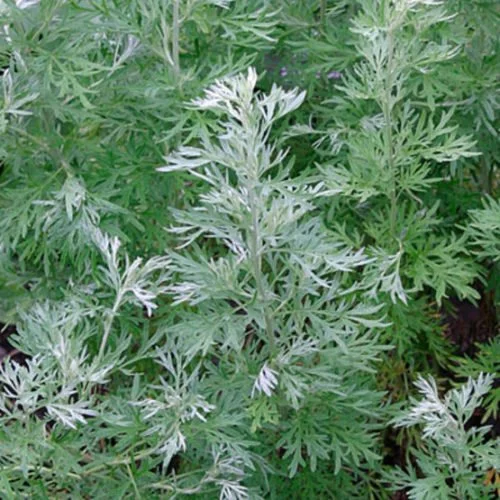
Wormwood: the revealer of hidden truths
Intensely bitter, and treasured for it. Traditionally taken as a small, occasional cup of bitter tea, wormwood is a herb people turn to when they want a reset: a clear mind, a fresh view. In my experience it's a powerful plant, and a little goes a long way.
In ritual, it's a herb for cutting through illusion and seeing beyond the surface.
Care: use sparingly and only occasionally, as a tea. Avoid in pregnancy and breastfeeding, with epilepsy or kidney conditions, and if you're allergic to ragweed. Not for steaming.
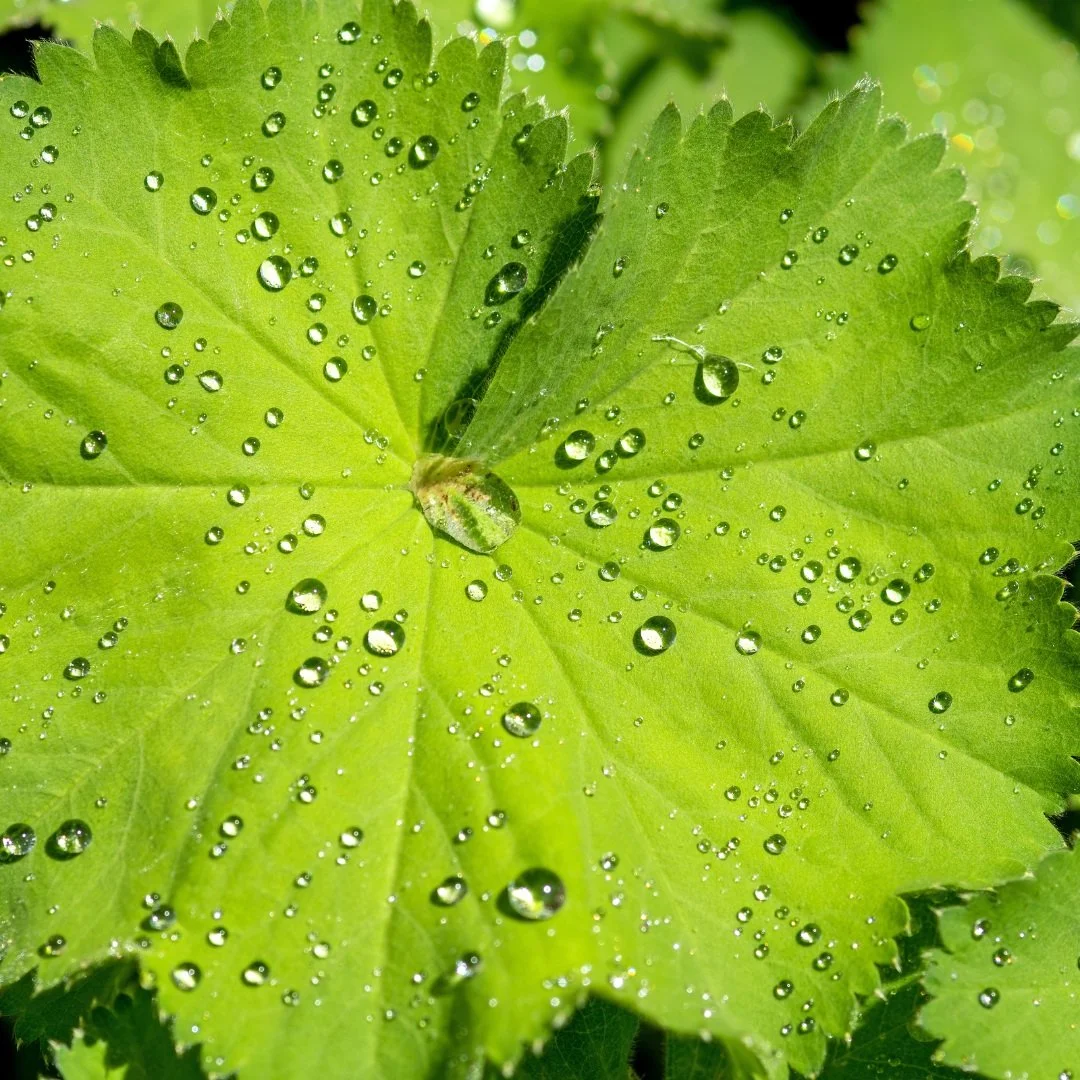
Lady's Mantle: the guardian
A woman's herb in European folk tradition, taken as a tea for the cycle. Its botanical name, Alchemilla, is said to come from the alchemists, who gathered the dew that rests on its leaves.
In ritual, it's a herb of protection through transitions, endings and new beginnings.
Traditionally: tea. Also used in modern steam blends.
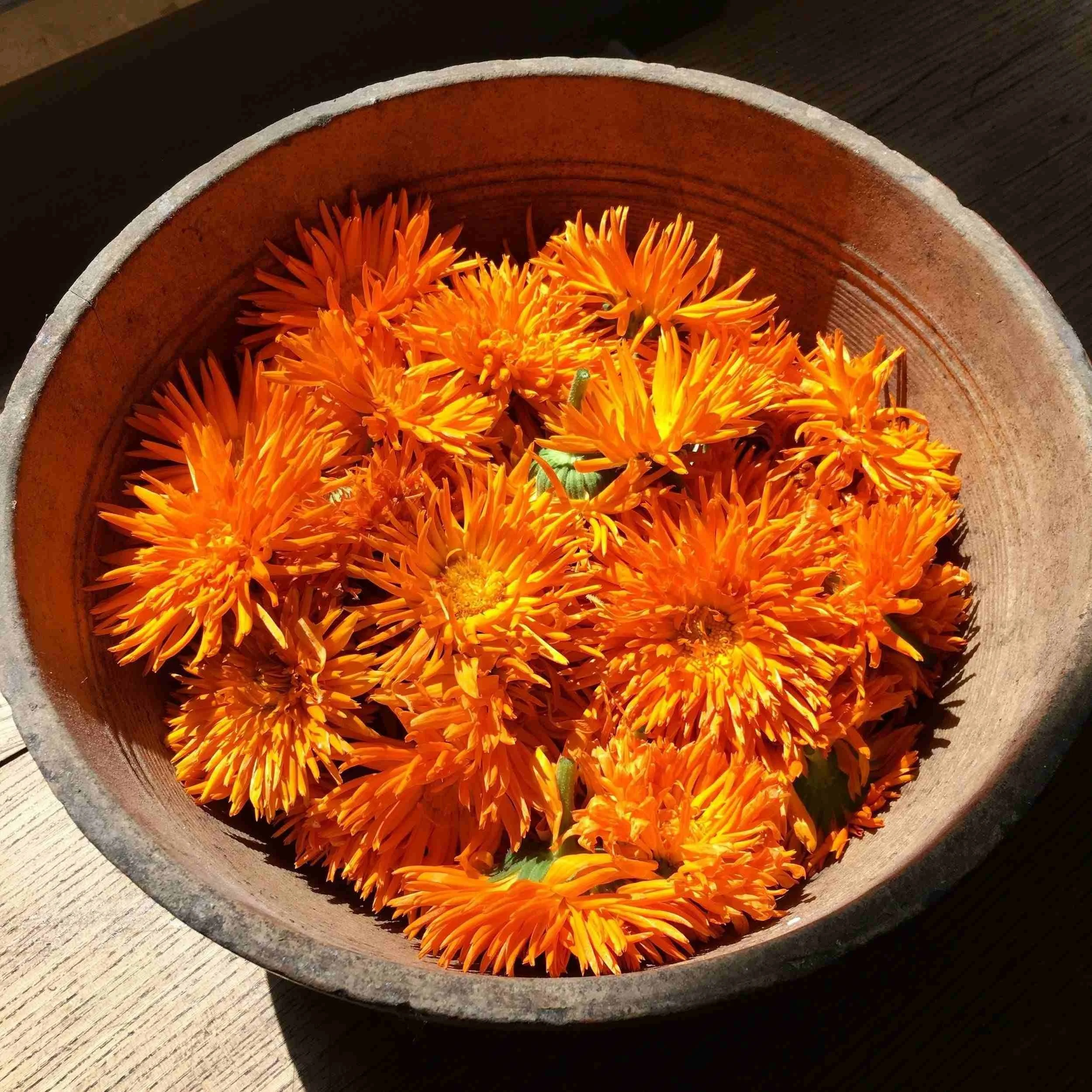
Calendula: the golden healer
Bright as a small sun, calendula has long been used to soothe irritated skin. Petals are traditionally added to tea, baths and steams.
In ritual, it's a herb of warmth and self-kindness, a good choice for a sensitive time when you want to be soft with yourself.
Daisy-family plant, so go gently if you're allergic to ragweed.
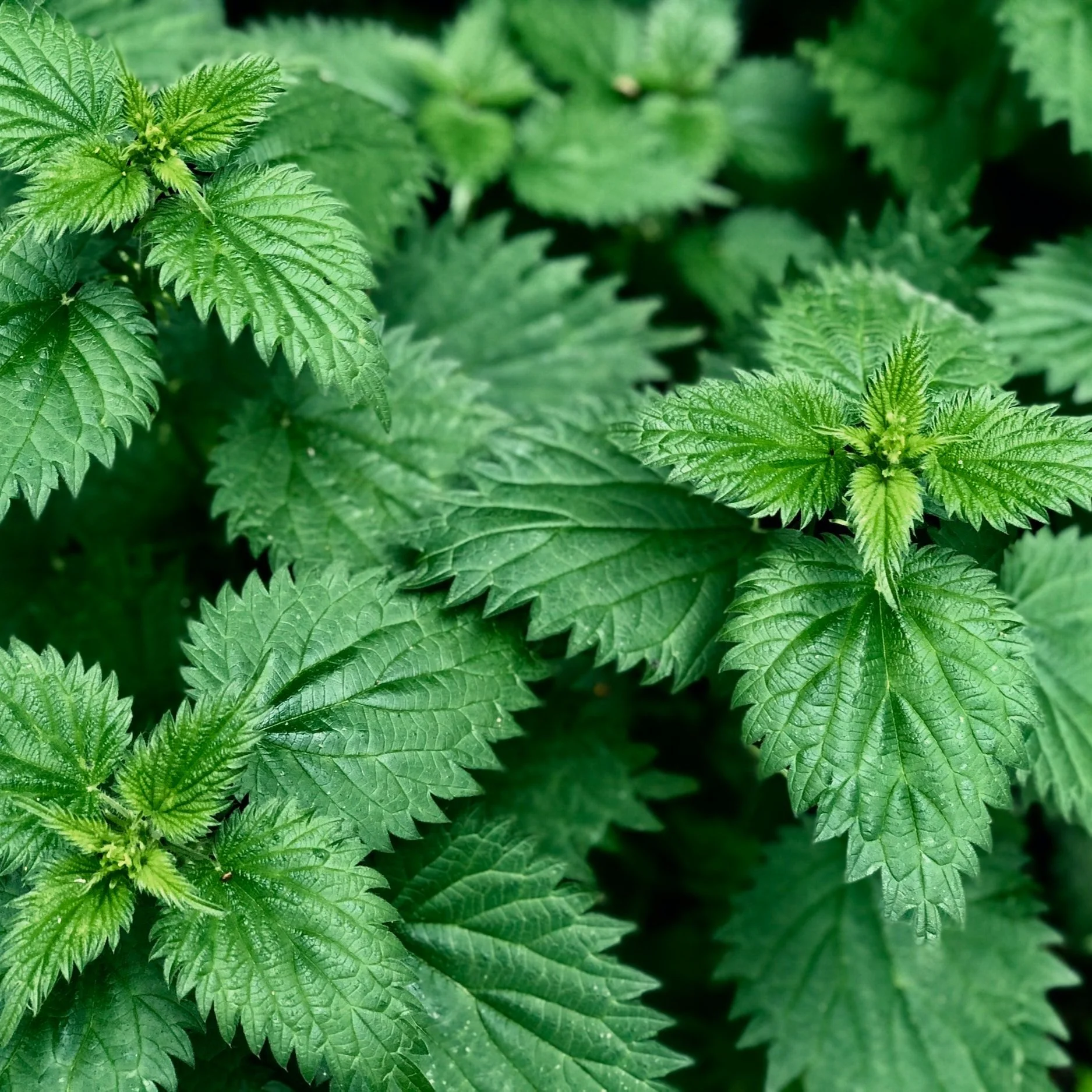
Nettle: the nourishing protector
A spring tonic in many kitchens, rich in minerals and taken for generations as a nourishing tea, especially after long seasons of giving.
In ritual, nettle is a herb of strength and resilience, for when you're ready to rebuild.
If you're often exhausted, please see a doctor rather than relying on a tea alone.
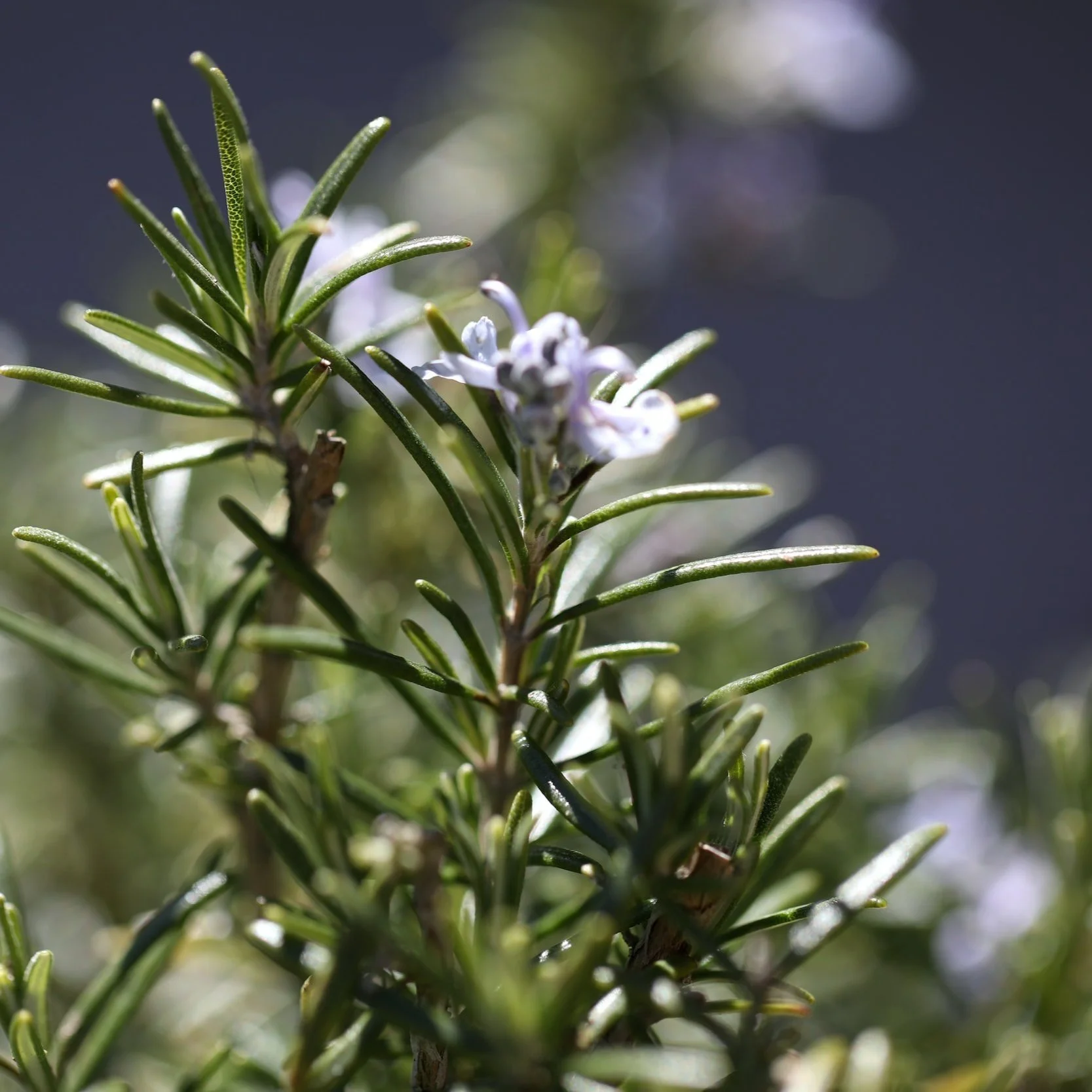
Rosemary: the remembrance herb
Rosemary has been the herb of remembrance for centuries, and traditionally it's linked with warmth, circulation and a clear mind. Sprigs go into baths, steams and teas.
In ritual, it's a plant of remembrance and resurrection, awakening the life force within.
Traditionally: tea, steam, bath.
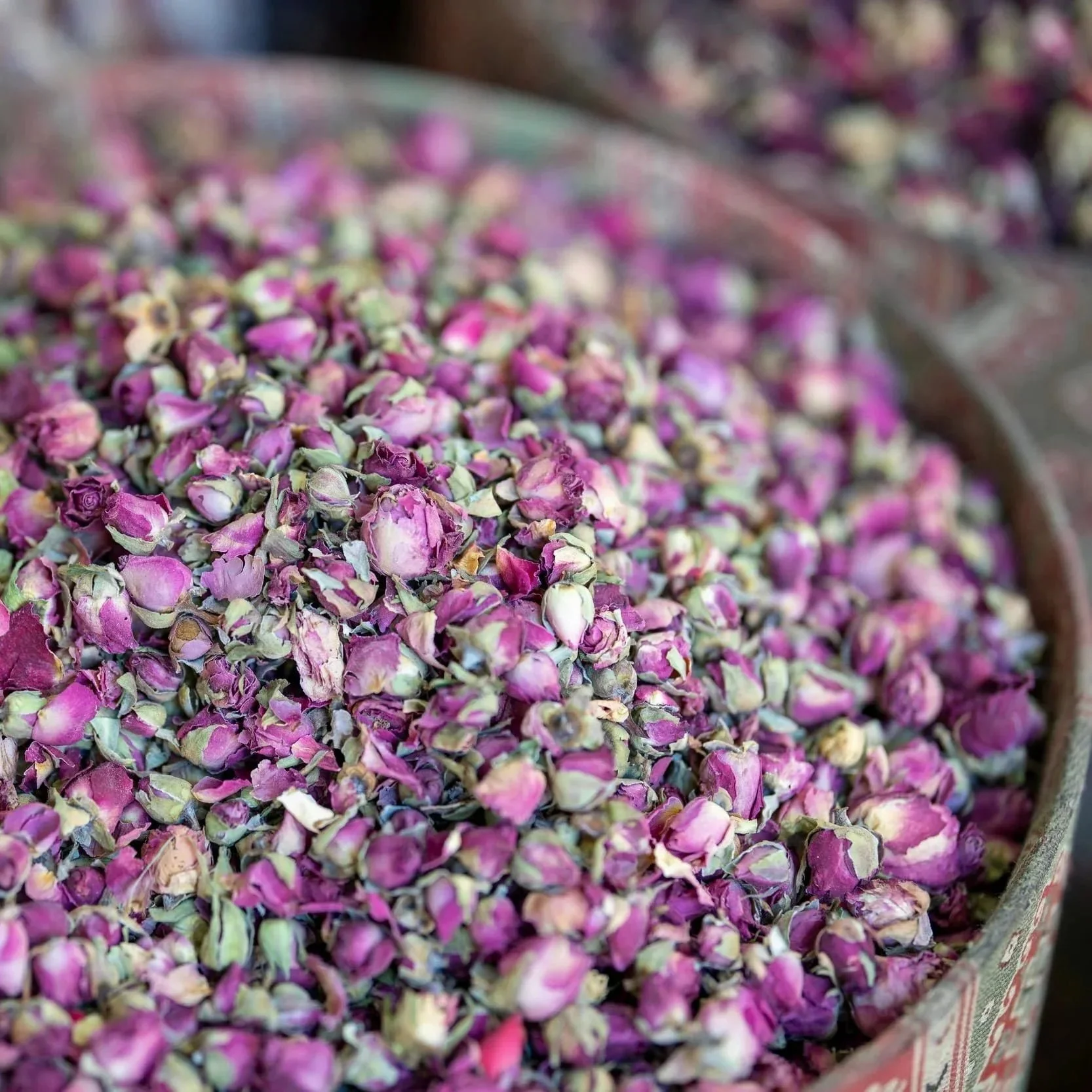
Rose: the heart opener
Rose petals have been part of women's rituals of tenderness for centuries: steeped as tea, floated in baths, steamed for their scent.
In ritual, rose is the herb of the heart, for self-love, for softening, for coming back to yourself. Choose unsprayed, organic petals, never florist roses.
Traditionally: tea, steam, bath.
Care with herbs
These herbs are a traditional ritual, not a medical treatment. If you're pregnant, breastfeeding, trying to conceive, taking medication or living with a health condition, check with a doctor or qualified herbalist before drinking or steaming any of them.
Choose organic, unsprayed herbs from a source you trust, and go gently if you have plant allergies: chamomile, calendula, wormwood and mugwort are daisy-family plants, like ragweed.
If you steam, test the steam with your hand first: it should feel comfortably warm, never hot, and you can stop at any moment. Skip steaming during pregnancy and your bleed, and if you have an infection or an IUD. If you feel pain or notice anything unusual, please see a doctor.
Your free yoni steam recipe
If you'd like to try a steam, my free at-home recipe and ritual walks you through it step by step. Download it and begin whenever it feels right.
Take the ritual deeper
Womb work is a return to relationship with yourself, your body and your inner world.

If you love working with plants and the rhythms of your body, Moon Blood Mysteries brings it together: your cycle, the moon, and real ritual practice for your womb, including moon water rituals.
Self-paced, with an 80+ page ebook and a guided audio journey. Pay what feels right.
This article is for reflection and personal practice, not medical advice.
With Love,